Pinterest is one of the few platforms where the goal is to send people somewhere else, and that makes it a genuinely useful tool for earning income. People arrive in a planning, shopping, or project mindset, which means a pin that links to the right place can turn into a click, a sale, or a new subscriber more directly than a passive feed post. If you want to make money on Pinterest in 2026, the key is to treat your account as a search-driven discovery engine rather than a vanity gallery.
There is no single button that pays you for pinning. Instead, Pinterest income comes from connecting your pins to something that already makes money. Affiliate links, your own products, a blog with ads, or a service you offer. This guide walks through the realistic ways creators earn, how to set each one up, and what to expect along the way. There are no guarantees here, just the methods that consistently give people a fair shot.
Set Up an Account That Can Actually Earn
Before any money changes hands, your account needs the right foundation. Switch to a free business account so you get analytics and access to Rich Pins, which pull extra detail from your linked pages. A clear profile name that describes your niche, a keyword-aware bio, and a recognizable avatar all help new visitors decide you are worth following and worth clicking.
Pinterest is a visual search engine, so the words you use matter as much as the images. Write pin titles and descriptions the way someone would actually search, name your boards by topic instead of clever puns, and keep your niche focused enough that Pinterest understands who to show your content to.
- Use a free business account for analytics and Rich Pins
- Verify your website so your pins link cleanly to it
- Keep boards tightly themed around your niche
- Treat pin titles and descriptions like search terms
The Main Ways Creators Make Money on Pinterest
Most Pinterest income falls into a handful of proven categories. Affiliate marketing means linking pins to products you recommend and earning a commission when someone buys; always disclose affiliate links and follow each program's rules. Selling your own products: physical goods, printables, templates, or digital downloads. Lets you keep more of the revenue and build a brand at the same time.
Driving traffic to a monetized blog or YouTube channel is another common route, where the money comes from ad revenue, sponsorships, or email subscribers rather than the pin itself. Finally, many freelancers and small businesses use Pinterest to attract clients for services such as design, coaching, or photography.
- Affiliate links to products you genuinely recommend
- Your own digital products like printables or templates
- Physical products sold through your shop or store
- Traffic to a blog or channel you already monetize
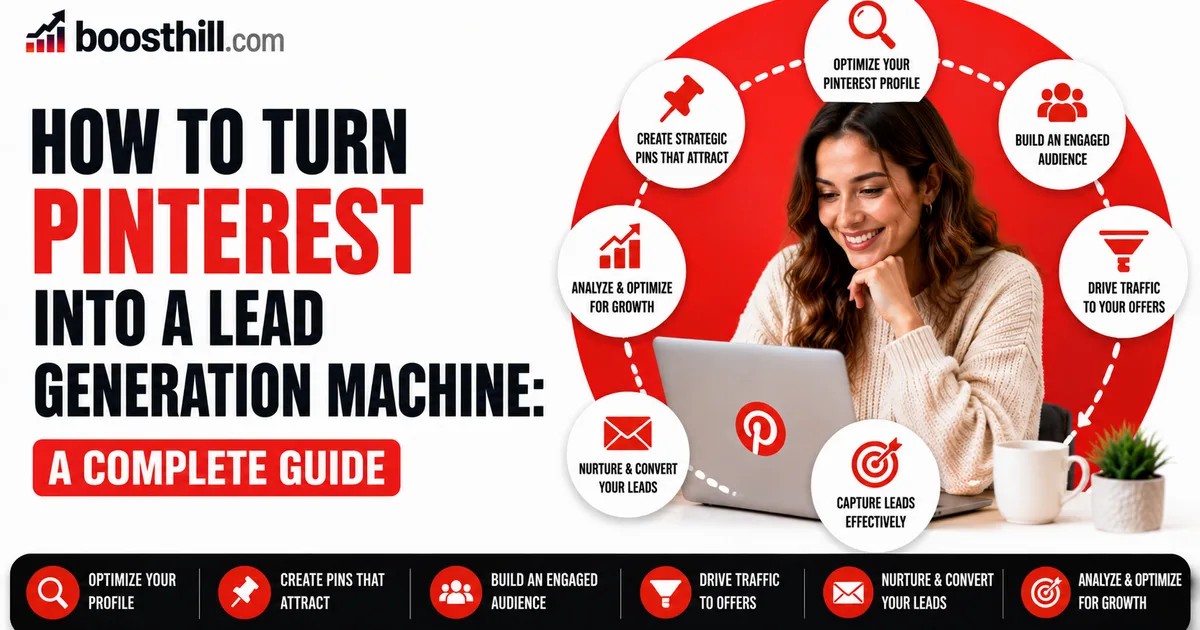
- Leads for a service-based business
Build Pins People Want to Save and Click
Earning starts with pins that get noticed. Vertical images in a 2:3 ratio with short, readable text overlays tend to perform best, and they should make the value of the click obvious at a glance. A re-save is what pushes your pin in front of new people, so design for the moment someone decides your idea is worth keeping.
Consistency beats intensity. A steady stream of fresh pins each week generally does more than an occasional dump of dozens at once. Link each pin to a relevant, fast-loading page, because a great pin that lands on a slow or confusing page rarely converts into income.
Set Realistic Expectations and Timelines
Pinterest income is rarely instant. Pins can take weeks or months to gain traction in search, and earnings tend to compound slowly as your best pins keep circulating. Anyone promising fast, guaranteed Pinterest income is overselling it. Your results depend on your niche, your offer, and Pinterest's own systems, all of which can change.
Where a follower boost fits in is narrow but real. A healthier follower count can make a new visitor or potential brand partner take your profile more seriously, which is social proof, not income. BoostHill delivers Pinterest followers from real, active accounts using only your public profile link, with no password required and a refill guarantee. Treat it as a credibility head-start that sits alongside the monetization work above, never as a source of earnings on its own.
Frequently asked questions
Read next: How to Use Pinterest to Drive Blog Traffic in 2026. For more, browse our Pinterest guides or all posts by Lyra Wilson.